
The Allure of Gambling: More Than Just Winning
Gambling often presents itself as a thrilling escapade, luring players with the promise of substantial winnings and the excitement of chance. However, beneath this captivating façade lies a complexity that many gamblers overlook. The allure of potential financial gain can obscure the hidden costs associated with gambling in casinos, from the monetary investments to the emotional toll it can take. As individuals embark on their gambling journeys, they frequently discover various betting sites that amplify the psychology of risk and rewards that can turn a fun outing into a financially detrimental habit.
Players may walk into a casino with a wallet full of cash, believing they have a predetermined budget. Yet, as they become immersed in the vibrant atmosphere and the excitement builds, they may find themselves spending far beyond their initial limits. This phenomenon is not merely about the loss of money but also about the potential accumulation of debt, which can spiral quickly if not monitored. The thrill of winning can lead to overconfidence, driving individuals to chase losses in a bid to reclaim their money, ultimately leading them further into the gambling abyss.
Additionally, the social environment in casinos is designed to encourage spending. With complimentary drinks, entertainment, and a general sense of euphoria, gamblers can easily lose track of time and money. This immersive experience can create an environment where rational thinking diminishes, and financial awareness is clouded by the desire to prolong the thrill. As a result, many players fail to account for the ‘hidden costs,’ which include not only the losses incurred but also the opportunity costs of time and money spent that could have been directed toward more productive endeavors.
The Financial Impact: Beyond Initial Bets
The financial implications of gambling extend far beyond the visible sums wagered. While players may see the immediate costs associated with their bets, they often ignore ancillary expenses, such as transportation, meals, and accommodation if they are visiting a casino that is not local. These additional expenditures can accumulate, resulting in a financial burden that is far greater than anticipated. Understanding that each trip to a casino carries these hidden costs is essential for responsible gambling, yet many players remain oblivious to this reality.
Moreover, the gambling industry capitalizes on this oversight, with casinos implementing rewards systems that can further entrench players into a cycle of spending. Players may believe they are benefiting from comp points or loyalty programs, but these incentives often encourage increased wagering to maintain status or receive additional perks. As players pursue these rewards, they may unknowingly increase their gambling frequency and expenditures, leading to larger losses overall. The financial consequences can escalate rapidly, turning what was initially considered a form of entertainment into a heavy financial burden.

Another hidden financial aspect involves the concept of ‘free play’ and bonuses. While these incentives can appear attractive, they often come with stringent wagering requirements that make it difficult to realize any genuine financial gain. Players may find themselves investing more money than they initially intended to unlock these bonuses, leading to a dissonance between expectations and reality. This disconnect can result in frustration and further financial losses, demonstrating the necessity for players to approach these offers with caution and a critical mindset.
The Psychological Toll of Gambling
Beyond the financial aspect, gambling carries a significant psychological burden. The thrill of the game is often accompanied by heightened emotions, which can lead to a range of psychological issues such as stress, anxiety, and even depression. Many gamblers grapple with the fear of losing money, which can create an emotional rollercoaster that affects not only the player but also their relationships and overall mental well-being. This emotional investment can result in an unhealthy obsession with gambling, where individuals prioritize their gambling activities over personal and social commitments.
The psychological impact of gambling can lead to a cycle of gambling addiction, where the individual feels compelled to gamble despite negative consequences. For these individuals, the hidden costs extend to family relationships, work performance, and personal health. Strain on familial bonds can result from financial distress, leading to conflicts and discord within households. Furthermore, gambling addiction has been closely linked with other mental health issues, creating a compounding effect on the individual’s overall stability.
Recognizing the psychological costs of gambling is crucial for both players and their loved ones. Many individuals fail to identify the early warning signs of problematic gambling behavior, often rationalizing their actions as harmless fun. Education around gambling addiction and psychological health should be prioritized, allowing individuals to make informed decisions before they irreversibly change their lives. Acknowledging the potential for psychological distress is essential in mitigating the hidden costs of gambling.
The Social Consequences: Relationships at Stake
The social ramifications of gambling can be profound, extending well beyond the individual to impact friends, family, and entire communities. When a person becomes engrossed in gambling, the effects ripple outwards, often straining relationships with loved ones who may feel neglected or financially burdened. Time spent gambling often comes at the expense of family gatherings, social events, and other commitments. As a result, social ties may weaken, leading to isolation or conflict within personal circles.
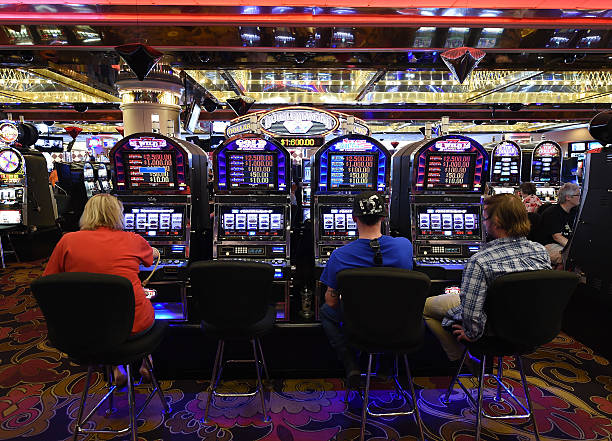
Furthermore, the stigma associated with gambling addiction can complicate social interactions. Many individuals suffering from gambling problems may feel ashamed or embarrassed, making them less likely to seek support or share their struggles with friends and family. This silence can perpetuate feelings of loneliness and despair, exacerbating an already precarious situation. Social networks may also react negatively, leading to further alienation for those affected by gambling-related issues.
The decline of social interactions can lead to a self-perpetuating cycle, where isolation drives individuals deeper into gambling as a source of escape. As they turn to gambling for solace, the hidden costs of their actions compound, affecting both their social life and overall mental well-being. It is essential for those involved in gambling, whether as players or loved ones, to maintain open lines of communication and seek supportive resources to mitigate these social consequences.
Conclusion: Responsible Gambling and Awareness
Ultimately, the hidden costs of gambling in casinos are multifaceted, encompassing financial, psychological, and social dimensions. Recognizing these costs is the first step toward fostering responsible gambling practices. By understanding the broader implications of their actions, individuals can make informed decisions that prioritize their well-being and that of their loved ones. Casinos and gambling establishments also have a role to play in promoting awareness and encouraging responsible gaming initiatives to minimize these hidden costs.
Engaging in open discussions about gambling and its potential effects can help demystify the experience, encourage responsible behavior, and provide necessary support for those who may be struggling. Educational initiatives should focus not only on the fun aspects of gambling but also on the inherent risks involved. Creating a culture of awareness surrounding gambling can help mitigate the negative impacts, promoting a healthier relationship with betting activities.
In conclusion, awareness and education are crucial in navigating the complex landscape of gambling. By unveiling the hidden costs associated with casino gaming, individuals can better equip themselves to make more responsible decisions, ensuring that the excitement of gambling does not overshadow the importance of mental and financial well-being. As discussions surrounding gambling continue to evolve, fostering an environment of understanding and supportive resources will remain key to cultivating a balanced approach to entertainment in casinos.